In this blog, I’m going to explain the difference between low ticket sales vs high ticket sales and give you examples of when and why you would use each one.
If you’ve spent any time around online business communities, you’ve probably seen people strongly defend one side or the other.
Some say:
“You need high ticket sales, or you’ll never make real money.”
Others say:
“Low ticket sales convert easier and build momentum.”
The truth?
Both models work… But they each have their own pros, cons, and strategies.
What Are Low Ticket Sales?
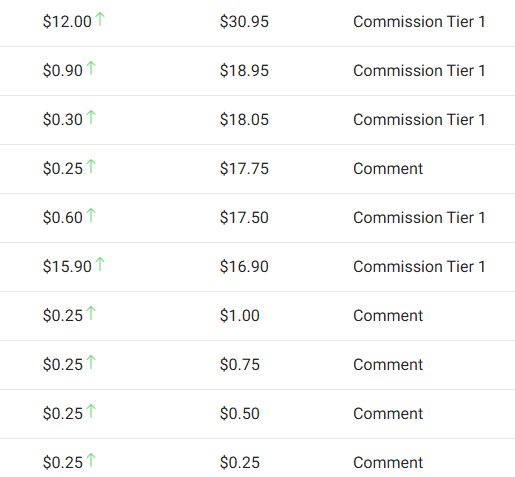
Low ticket products are usually affordable offers, typically priced anywhere from:
$1 – $50, but sometimes up to $100
Low Ticket Sales Examples:
- $7 starter offers
- ebooks
- small courses
- tools or plugins
- entry-level training
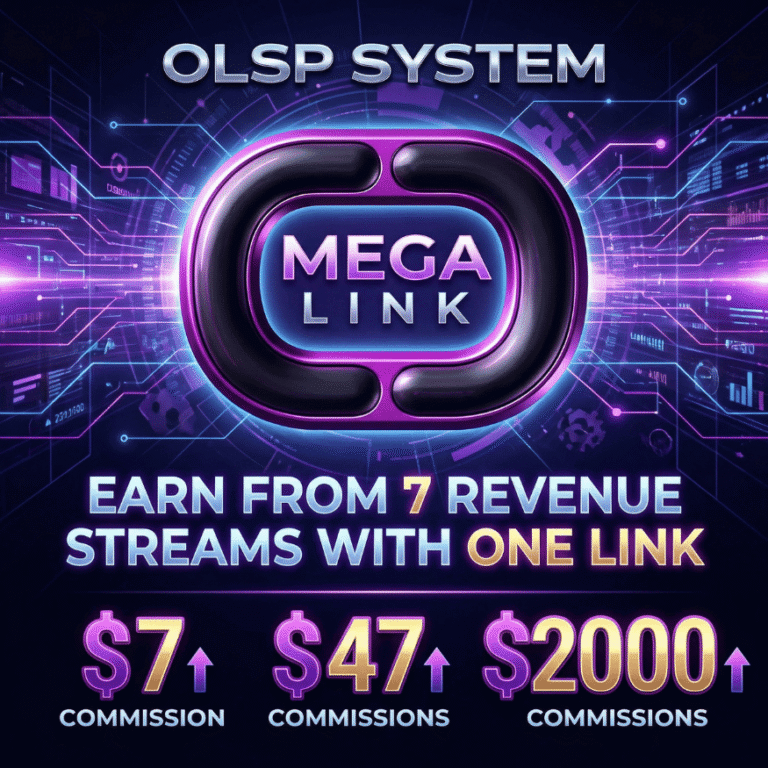
For example, within the OLSP system, the $7 Mega Link is a low-ticket offer.
Low-ticket products are designed to be easy entry points for people who are curious but not ready to spend much yet.
Pros of Low Ticket Sales
- Easier to sell.
- Attract a wider range of people regardless of budget.
- Low risk for the buyer.
- Perfect for beginners, newbies, skeptics, etc.
- Builds buyers trust
- Faster conversions
People are far more likely to try something when it costs $7 or $27 rather than hundreds or thousands.
Less risk = easier decision.
When someone buys a small product and gets value, they are much more likely to trust you later.
This builds a buyer relationship, which is incredibly powerful in affiliate marketing.
Low ticket offers often convert quicker because people don’t need to think about it for days or weeks.
Many purchases are made impulsively.
If you’re new to affiliate marketing, selling low-ticket products is often the easiest way to start getting your first commissions.
Pro Note: That first sale is a massive confidence booster. Rather than thinking low ticket sales vs high ticket sales, think about the process of how a customer works through the system.
Cons of Low Ticket Sales
- Smaller commissions
- Requires traffic
Obviously, the downside is simple.
Selling a $7 product might only earn you a few dollars.
So you need more sales to make serious money.
Example:
$7 commission × 100 sales = $700
$7 commission × 1,000 sales = $7,000
Volume becomes important.
Low-ticket strategies often rely on consistent traffic and audience-building, and without traffic, sales are limited.
What Are High Ticket Sales?
What Are High Ticket Sales?
High ticket products are offers that usually cost:
- $500
- $1,000
- $2,000+
sometimes even $10,000+, so when we compare low ticket sales vs high ticket sales, there is a huge difference.
Examples Of High Ticket Sales:
- advanced courses
- coaching programs
- mastermind groups
- premium software
- high-level business training
These offers often pay very large commissions.
Pros of High Ticket Sales
- Large commissions
- Less volume needed
- Attracts committed buyers
- Trust has established
One sale could earn:
- $500
- $1,000
- $2,000+
Just a few sales per month can generate serious income.
Example:
3 sales × $2,000 commission = $6,000
You don’t need hundreds of buyers.
Just a few serious buyers can produce high income.
People who spend large amounts are usually more serious and committed.
This can create better communities and stronger engagement.
Cons of High Ticket Sales
- Harder to sell
- Requires authority
- More objections
People take much longer to decide on expensive purchases.
They may:
- research
- compare
- ask questions
- watch reviews
The sales cycle can be weeks or months.
Most people won’t buy expensive products from someone they don’t trust.
High ticket usually requires:
- personal branding
- trust
- credibility
- strong content
Higher prices mean more hesitation.
Common objections include:
- “Is it worth it?”
- “Can I afford it?”
- “Will this actually work?”
So the marketing often needs to be more detailed.
The Smart Strategy: Use Both
Many experienced marketers eventually realize something important:
Low ticket and high ticket actually work best together.
Low ticket products can act as a gateway.
For example, Someone might start with a small offer like:
- a $7 training
- a small course
- a starter program
Then later move into:
- advanced training
- coaching
- higher level programs
This is called a value ladder.
Example Strategy
Step 1
Low ticket entry offer
Step 2
Build trust and deliver value
Step 3
Introduce higher value solutions
Step 4
Offer high-ticket opportunities
This allows people to start small and grow.
My Personal View On Low Ticket Sales Vs High Ticket Sales
From my experience, neither high ticket or low ticket sales are better… We should use both!
low ticket offers are fantastic for:
- beginners
- building momentum
- creating buyer relationships
High ticket offers are powerful for:
- scaling income
- working with serious people
- increasing overall earnings.
But the best online businesses don’t rely on just one.
They combine both.
A simple entry offer helps people get started…
And higher value programs help people go deeper and get bigger results.