If you’re building a blog, niche site, or affiliate website, learning how to write SEO friendly content is one of the most important skills you can develop.
You can have the best ideas in the world… but if your content isn’t optimized properly, it simply won’t get seen.
The good news?
Writing SEO friendly content isn’t complicated. It’s structured. And once you understand the framework, it becomes second nature.
In this guide, I’ll break down exactly how to create content that ranks, gets traffic, and actually converts.
What Is SEO Friendly Content?
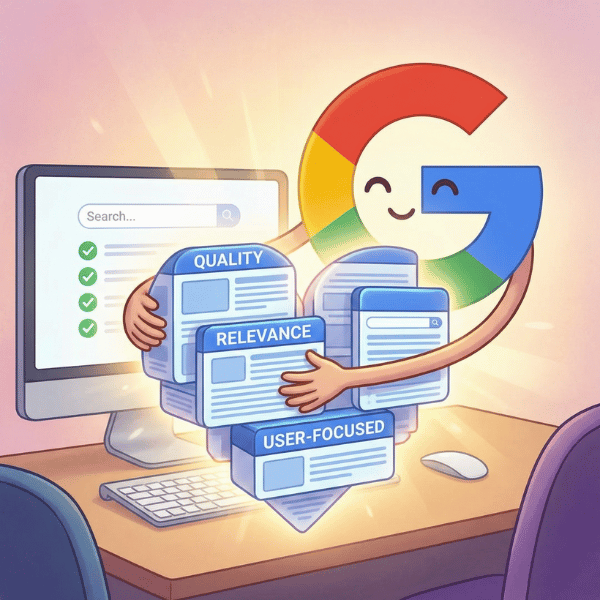
SEO friendly content is content that is written and structured in a way that helps search engines understand it, index it, and rank it.
It balances two key things:
- User experience
- Search engine optimization
This means:
- Targeting the right keywords
- Structuring headings properly
- Making content easy to read
- Answering search intent clearly
- Optimizing titles, meta descriptions, and images
Search engines like Google are constantly analyzing content to determine:
- What it’s about
- Who it’s for
- Whether it provides value
- How trustworthy your content is
If your content checks those boxes, your chances of ranking increase significantly.
How To Write SEO Friendly Content
This is the process I use to find keywords, write my content, and publish to get traffic from search engines like Google, Yahoo, and Bing.
1: Start With Proper Keyword Research
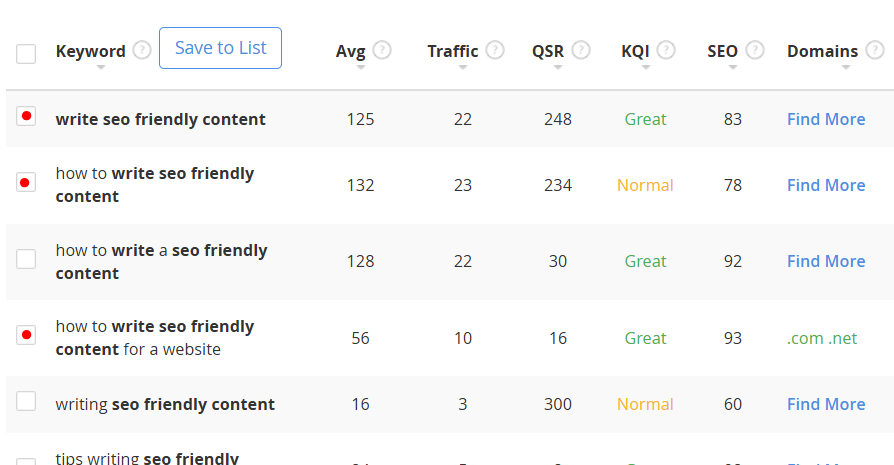
Before you write anything, you need to know what people are actually searching for.
Writing without keyword research is like building a shop in the middle of nowhere, and not knowing what to put in it, or who is going to want what you have.
Here’s how to approach it:
- Find a primary keyword (your focus word)
- Look for low competition phrases
- Check search intent
- Analyze the top-ranking pages
For example, if your focus word is “SEO friendly content”, you might also include:
- how to write SEO friendly content
- what is SEO friendly content
- SEO content writing tips
- on page SEO structure
Tools like Jaaxy, Google Keyword Planner, or Ubersuggest can help you identify search volume and competition.
Pro Tip: Always match the search intent. If people want a guide, give them a guide… not a sales pitch.
2: Structure Your Content Properly
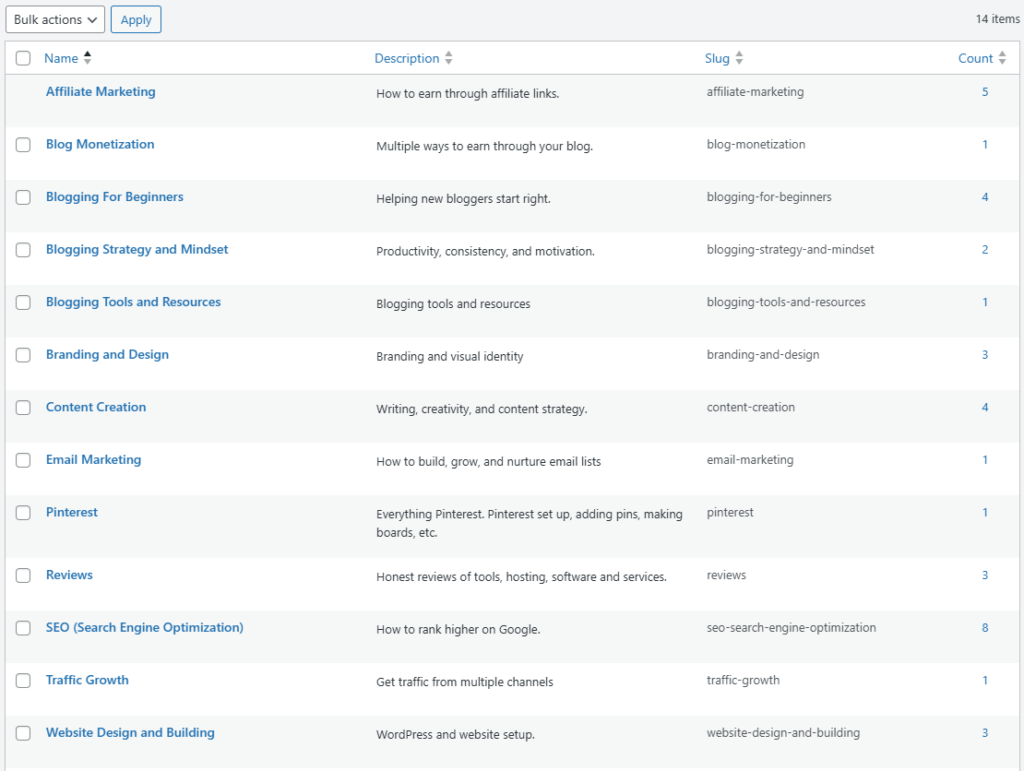
Search engines love structure.
A clean structure makes it easier for both users and search engines to understand your content.
The ideal layout:
- H1 – Main Title (Include your focus keyword)
- H2 – Main sections (Include variations naturally)
- H3 – Supporting subpoints
- Short paragraphs (2–4 lines)
- Bullet points and numbered lists
- Clear spacing
What This Improves:
- Readability
- Dwell time
- User engagement
These are all ranking signals.
My Advice: Avoid giant blocks of text. People skim online… so your content needs to be scannable.
3: Optimize On Page SEO Elements
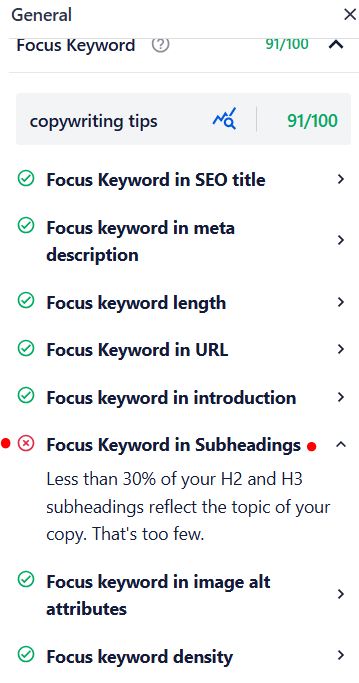
Writing SEO friendly content isn’t just about the body text. In fact, the more elements we can optimize, the better.
What you should optimize:
1. Title Tag
- Include your focus keyword naturally.
Example: How To Write SEO Friendly Content (Beginner’s Guide)
2. Meta Description
- Keep it compelling and clear. This increases click-through rate.
3. URL Slug
- Short and clean: yourwebsite.com/seo-friendly-content
4. Image Optimization
- Compress images
- Add alt text with keyword variations
- Use descriptive file names
5. Internal Links
- Link to relevant content on your site.
6. External Links
- Link to trusted authority sources when appropriate.
This helps build topical relevance and authority.
These points are recommended for the optimal chance of ranking content in Google search. Also, optimizing your images with an ‘Alt text” increases the chance of getting traffic through your images.
Pro Tip: I use the AIOSEO plugin to make sure I have all my SEO criteria ticked off. This will indicate specific parts of your post or page that need attention.
4: Write For Humans First
One of the biggest mistakes people make when trying to create SEO friendly content is keyword stuffing. No one wants to read a word over and over again, and Google does not want to show this.
Search engines are smarter than before, and with AI tools freely available, human content is, and will rank higher than AI-written content alone, which has no human feel..
Your content should:
- Answer questions clearly
- Solve real problems
- Flow naturally
- Provide genuine value
If your content feels robotic, forced, or repetitive, it will not perform well.
Ask yourself:
- Does this fully answer the topic?
- Would I share this?
- Is it better than what’s currently ranking?
If the answer is yes, you’re on the right track.
5: Focus On Content Depth & Topical Authority
Search engines reward comprehensive content.
This doesn’t mean writing 3,000 words for the sake of it.
What Your Content Should Include:
- Covering the topic thoroughly
- Including related subtopics
- Addressing common questions
- Adding examples
The more complete your content is, the more likely it is to rank for multiple keyword variations.
This builds topical authority over time and is a great way to gain backlinks from other websites.
6: Improve Engagement Signals
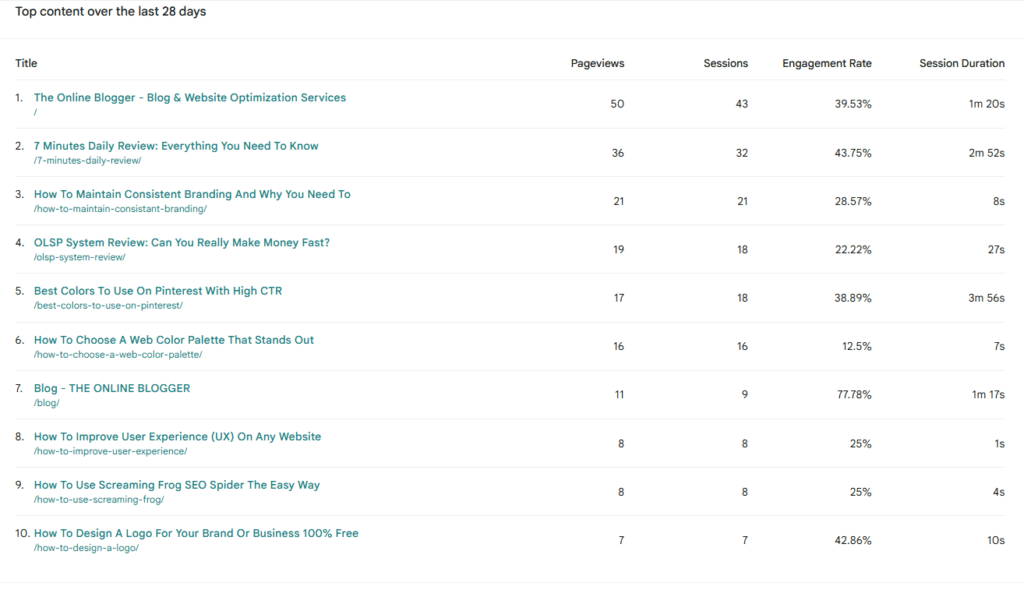
SEO friendly content should keep people on your page.
Ways to improve engagement:
- Use short paragraphs
- Add images
- Include examples
- Ask questions
- Add internal links to related posts
The longer someone stays on your page, the stronger the positive signal you send to search engines.
Common Mistakes To Avoid When You Write SEO Friendly Content
Over my years online, I have seen the same mistakes made from publishers or content creators when writing SEO friendly content, hell I even make them, but the idea is to minimize these from happening and to do that, we need a list like this…
What you should always avoid in your blogs:
- Keyword stuffing
- Writing without research
- Ignoring search intent
- Overcomplicating your language
- Forgetting internal linking
- Publishing without proofreading
Simple mistakes can cost you rankings, and sometimes the smallest errors can cost you big traffic.
Learning to write engaging blog posts is not just a whim or luck; it’s a skill that can be learned and then practiced.
Some Frequently Asked Questions About SEO Friendly Content
Q: How many times should I use my focus keyword?
A: There is no exact number, but use it naturally in:
- H1
- First 100 words
- At least one H2
- Throughout the content, where it makes sense
Just avoid forcing the focus word. Make sure it is used naturally.
Q: Does content length matter?
A: Longer content often ranks better… but only if it provides value.
its a quality vs quantity scenario, but on average, my blogs are about 1200 – 1500 words.
Q: Can beginners write SEO friendly content?
A: Absolutely. SEO writing is a skill that improves with practice and consistency.
Final Thoughts On Writing SEO Friendly Content.
Learning how to write SEO friendly content is one of the most valuable skills you can develop as a blogger, affiliate marketer, or business owner.
If you can write content that follows the steps outlined here in this blog, you will see a huge increase in impressions, clicks, and hopefully sales.
- Research properly
- Structure content clearly
- Optimize on-page elements
- Focus on user value
You dramatically increase your chances of ranking, and ranking content builds traffic… traffic builds leads… and leads build income.
Any questions or comments, please, do leave below, and I will be sure to read and/or reply.
Please do check out the affiliate resources and tools page for free templates, tools, and software.