To really begin using SEO, it helps to understand its major building blocks, so what is SEO, why is it important, and how do we use it to our advantage?
Over my years online, I have grown very fond of SEO, keyword research, and how to use it professionally to help boost traffic, UX, engagement, and conversions.
In today’s blog, I am going to explain in simple terms what SEO is, how it works, and why you NEED to understand how to use it to find success online.
What Is SEO? (Search Engine Optimization)
The main focus of SEO (Search Engine Optimization) is making your website more attractive to search engines like Google, Bing, or DuckDuckGo. But what does “attractive” mean in this context?
What Search Engines Find Attractive About Websites:
- Clarity and relevance: Your pages should clearly explain what they’re about, using language and structure that makes sense both to humans and search bots.
- Authority and trust: Search engines want to put helpful, trustworthy content at the top. That rewards websites that seem credible, useful, and authoritative.
- User experience (UX): Speed, mobile-friendliness, easy navigation, and readability all matter. If your site sucks to use, chances are users (and therefore Google) will penalize you.
Search engines crawl billions of web pages and rank them based on hundreds of factors. These include how relevant the content is, how fast the page loads, how trustworthy the site appears, and more.
Here’s a basic breakdown of how SEO works:
- A user types in a query (e.g., “best headphones for travel”).
- Search engines analyze pages to find the best answers.
- The best-optimized content shows up higher in the results.
Good SEO helps make sure your content is chosen.
In short, SEO is about aligning your website with what search engines believe users want. And the better you match that, the more visible your site becomes.
Pro Tip: Always target a main keyword for each page or blog… I use the AIOSEO plugin that has a checklist of where this keyword needs to be, that way you can make sure your blog or page is SEO optimized before you publish.
What Is SEO Used For?
So, now that you know what SEO is, why should you care? Because the majority of online experiences start with search engines.
Why SEO matters:
- Free traffic — Instead of paying for ads, SEO can drive ongoing traffic to your site with minimal ongoing cost.
- Trust and credibility — People tend to trust organic search results more than ads. Ranking high means people might see you as more trustworthy.
- Better user experience — Good SEO practices (fast load times, clear layout, helpful design) often make your website genuinely better for real people.
- Long-term benefits — Good content stays relevant; once your page ranks, it can keep bringing traffic for years with little maintenance.
If you care about building an audience, selling a product, or just sharing information, SEO is a must.
Key Elements To SEO
Now that I’ve answered the question of what is SEO, let’s break down the core elements.
1. Keyword Research
This is about finding out what people are actually searching for. You want to use the same words your audience uses.
Some tools to help:
- Google Search (auto-suggestions)
- Ubersuggest
- Ahrefs
- SEMrush
2. On-Page SEO
This is what you do on your own site, like:
- Adding keywords to titles and headings.
- Write helpful content that answers the user’s question.
- Optimizing meta tags (title, description).
- Structuring your pages clearly with subheadings (like this one).
3. Technical SEO
This makes sure your site runs smoothly and is easy for search engines to crawl.
Important factors:
- Fast load times.
- Mobile-friendly design.
- HTTPS (secure site).
- No broken links or duplicate content.
4. Off-Page SEO
This includes everything that happens outside your site to build its credibility.
Examples:
- Backlinks (other sites linking to you).
- Mentions on social media or blogs.
- Guest posts or online reviews.
Pro Advice: Don’t try to learn SEO all at once. Make a checklist or bookmark this page to work off next time you construct your own blog. It can feel overwhelming to start with, but as you practise, it gets easier.
What Is SEO To Search Engines?
Without identified keywords in a website, Google, Yahoo, Bing, and other search engines would have an impossible time knowing why and when to show your website as a search result.
For example: If I had a website named: “Guitars.com,” I would want Google to bring up my website when a user types in the search bar “Guitars” or “Buy Guitar” or Guitar lessons.”
Can you emagine typing into a search engine “Buy guitar” and the search result shows “Best Salmon Steaks” … This is why we need SEO.
To do this, we need to tell Google that our focus word is “Guitars” and that this word is the focus keyword for the home page.
To further support the home page, we would link to other pages with other top related keywords for the guitar niche…
For example:
- Guitar lessons
- Guitar Types
- Guitar Accessories
- Guitar Players
- Guitar Effects
- Buy and Sell Guitars
If we had a focus keyword for each of these pages, we are now telling Google and other search engines that we have a guitar home page, as well as loads of other pages about guitars… that ‘guitarists’ want to know about.
In other words, this website is DEDICATED to guitars and guitar-only information…
PRO TIP: Search engines find out what’s on your website by scanning it. The easier your content is to read, the better your navigation, and the more useful your content, the higher it will rank.
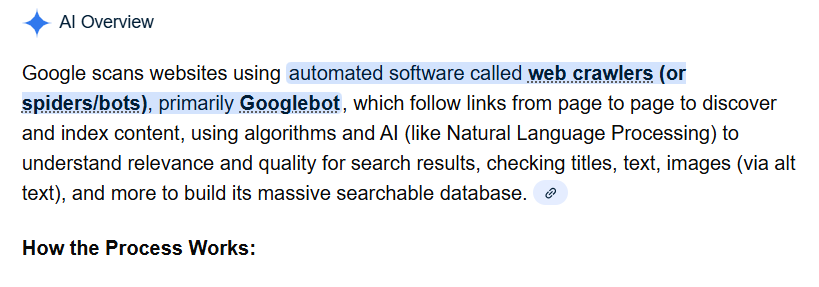
Google AI Definition Of How Google Scans Your Website:
What Is SEO In Blogging
When someone is talking about SEO in blogging, they are referring to the focus word of the blog and how the blog is structured, along with being helpful content.
In ALL of my blog posts, there are tasks I complete before publishing.
Must Do SEO Tasks For Blogs
- H1 Heading title length should not exceed more than 60 characters.
- Meta description length should not exceed more than 160 characters.
- Choose a focus word and make sure it is included in the H1 title, the meta title, and the meta description.
- The focus word should be included in the first paragraph of the blog, article, or page.
- Make sure your focus word is included in 30% or more of your H1 and H2 headings.
- Include your focus word in image alt attributes.
- Blogs should be on average about 1200 – 2000 words.
- Blogs must be helpful and not written fully by AI. Always make it your own.
- Include at least one inbound link and one outgoing link.
- Use short paragraphs and make the content easy to digest for the reader.
I have multiple page 1, position one blogs on other websites and this website. I do this by following the formula above.
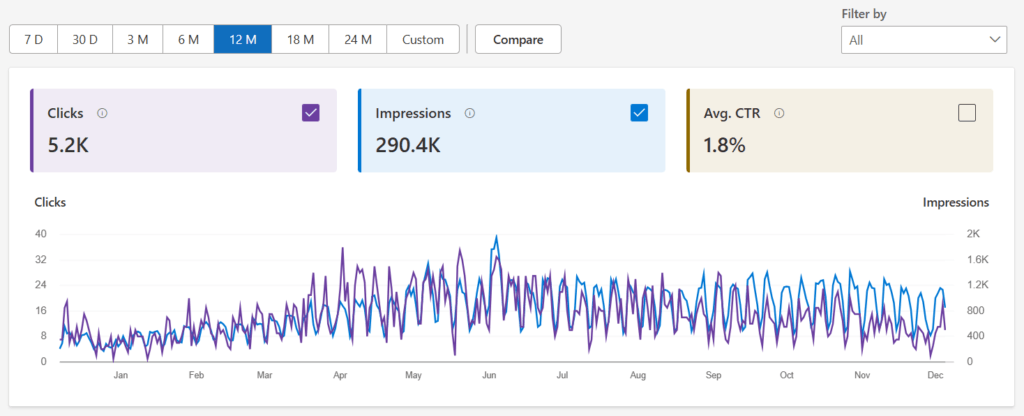
It is important to keep in mind that not all of your blogs will rank, but the more you do, the better your SEO, the higher your chances, and if you stay consistent and keep blogging, sometimes your old blogs will start to rank.
Common SEO Mistakes To Avoid
Even with the basics down, it’s easy to fall into traps. These traps can be devastating, and I know from firsthand experience the damage they can do.
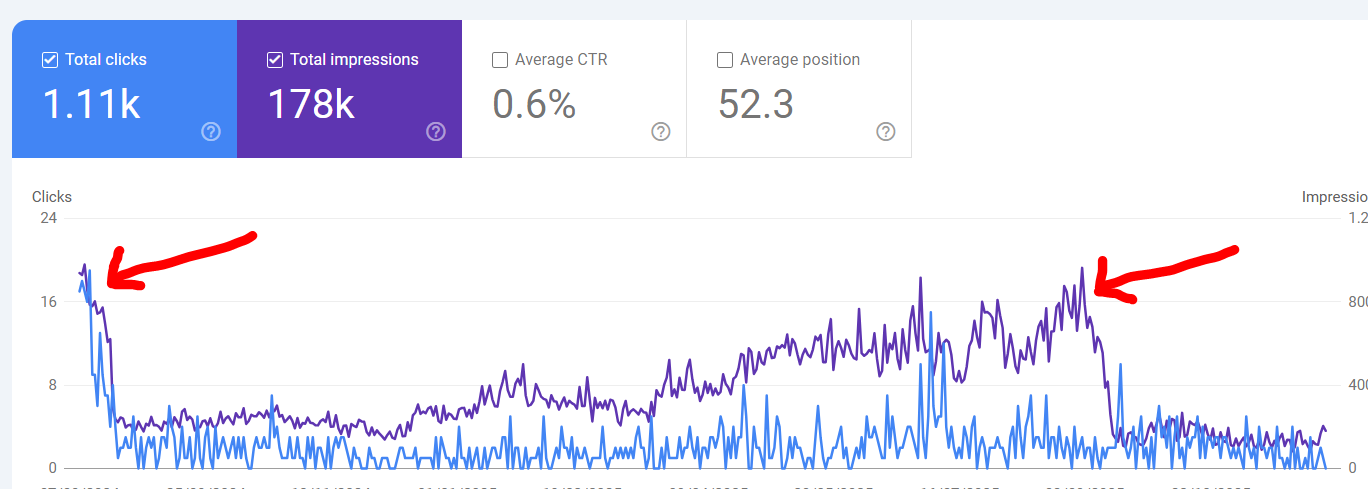
Watch out for:
- Keyword stuffing – Repeating the same word unnaturally.
- Neglecting mobile users – Over half of web traffic is mobile.
- Ignoring page speed – People leave slow sites quickly.
- Thin content – Pages with little real value or depth.
- Giving up too soon – SEO takes time to build momentum.
In most situations, if you are not experienced in SEO, I would suggest learning the basics and going back through all of your existing blogs and make sure they are SEO optimized.
How Long Does SEO Take To Have Effect?
SEO isn’t instant. Depending on your niche, competition, and how much effort you put in, it could take a few weeks to several months to see real progress.
That said, the effort is worth it. Once your content ranks, it can bring in traffic for months or even years without additional cost.
In any case, you need to be using SEO skills to help increase your website exposure… even if you are not seeing the results instantly.
Summary: What Is SEO?
SEO is about making your website easier to find, more helpful to users, and more trusted by search engines.
You don’t need to be an expert overnight. Focus on:
- Creating useful content.
- Optimizing your pages.
- Keeping your site fast and user-friendly.
- Earning backlinks from reputable places.
Keep learning, keep improving, and you’ll see results.
Just as always, if you have any questions regarding SEO, please ask in the comments section below, or contact me through my Facebook group “The Online Blogger“, as I would love to hear from you 🙂