If you want to rank websites in 2026 and beyond, understanding Google Ranking Factors is no longer optional… It’s essential.
Google Search has undergone significant changes over the past few years and is expected to continue evolving rapidly. AI-powered search, user behavior signals, content quality, and trust now play a significantly larger role than old-school tricks ever did.
Today, I’m breaking down the most important Google Ranking Factors you need to focus on moving forward… without fluff, myths, or outdated advice.
TL;DR - Google Ranking Factors (2026 & Beyond)
- Google rankings in 2026 are driven by value, trust, and user experience, not shortcuts
- Helpful, human-first content is the most important ranking factor
- Content must clearly match search intent, or it won’t rank
- EEAT (Experience, Expertise, Authority, Trust) plays a major role in competitive niches
- User behaviour matters more than ever (time on page, engagement, navigation)
- Website speed & Core Web Vitals directly impact rankings and usability
- Google uses mobile-first indexing, so mobile experience is critical
- Strong internal linking and content structure help build topical authority
- High-quality backlinks still matter; spammy links do not
- Regular content updates and freshness improve long-term rankings
- Outdated tactics like keyword stuffing, over-optimization, and thin affiliate pages are losing power
- Exact-match domains and SEO “tricks” matter far less than real branding
- Future-proof rankings come from building a real website for real people
Bottom line:
If your site is fast, mobile-friendly, trustworthy, well-structured, and genuinely helpful, you’re already aligned with Google’s ranking direction for 2026 and beyond.
What Are Google Ranking Factors?
There are currently over 200 Google Ranking Factors that Google uses to decide which pages rank where in search results.
Google doesn’t rely on just one thing. It evaluates hundreds of signals, including:
- Content quality and relevance
- User experience
- Website performance
- Trust and authority
- Engagement and behaviour signals
In 2026, Google’s goal remains the same, and that is to deliver the best possible answer to the user, as fast and as accurately as possible.
Google Ranking Factors That Matter The Most
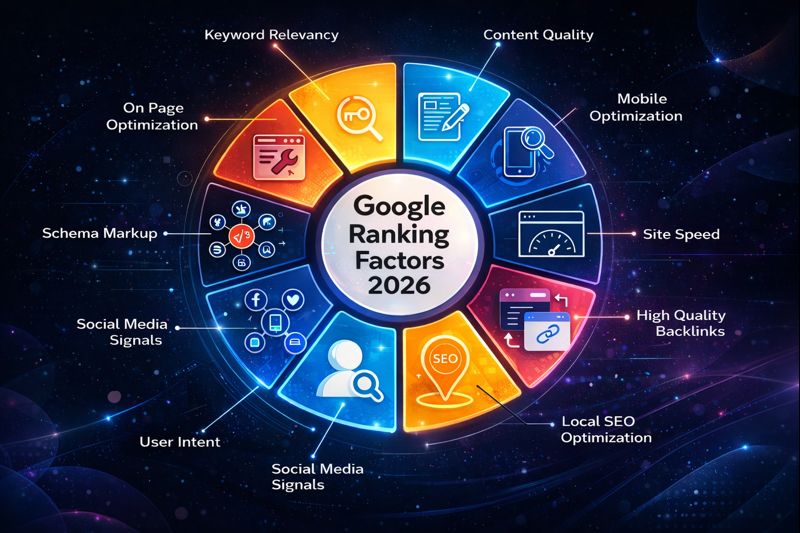
Let’s break down the Google Ranking Factors that actually move the needle now and in the years ahead.
1. Helpful, Human-First Content (Still #1)
Google has made it very clear that content must be written for people, not search engines. With such an emphasis on SEO nowadays, writing for human readers is very easily overlooked.
To rank in 2026, your content should:
- Answer real questions clearly
- Show experience or insight (not just rehashed info)
- Be well-structured and easy to scan
- Go deeper than competing pages
 Pro Tip: AI content can rank… but only if it’s edited, improved, and made genuinely helpful. Thin, generic, or mass-produced content is being filtered out faster than ever.
2. Search Intent Matching
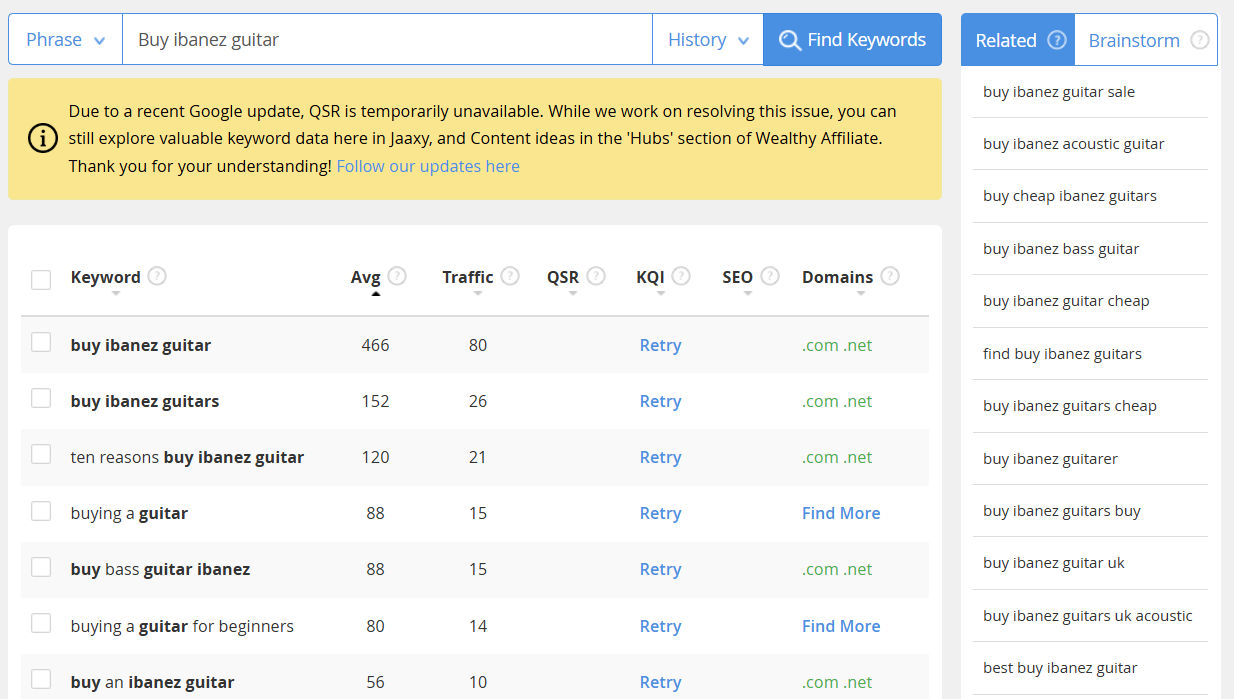
One of the most overlooked Google Ranking Factors is intent. What is the intent of the searcher?
If we can understand exactly what the user is after, we can answer this more directly. For example, if someone types into Google Search “Ibanez Guitar,” that tells us someone wants some kind of information on the Ibanez Guitar… but does not tell exactly what this person wants with Ibanez Guitars… Do they want images, specs, to buy one, to sell one, the list goes on and on…
However, on the other hand, if someone types into Google Search “Buy Ibanez Guitar,” their intent is clear… they want to buy an Ibanez guitar…or on the edge of buying one… and we can write or advertise accordingly.
Before writing a blog, ask:
- Is the searcher looking for information?
- A tutorial?
- A comparison?
- A product or solution?
If your page doesn’t match the intent, it won’t rank, no matter how good your SEO looks on paper.
3. EEAT: Experience, Expertise, Authority, And Trust
EEAT has become one of the most critical Google Ranking Factors as search quality continues to evolve.
Google is actively working to reduce misinformation, low-trust content, and anonymous websites that offer no real credibility.
In simple terms, Google wants to know who is behind the content, why they are qualified to talk about it, and whether users can trust the information.
This is especially important in niches related to money, health, business, and advice.
To strengthen EEAT signals, your website should clearly demonstrate:
- First-hand experience or personal insight
- Clear author information and bios
- Real examples, case studies, or opinions
- Transparent contact, about, and policy pages
Websites that show real people, real experience, and real intent consistently outperform faceless or generic sites moving forward.
4. User Experience Signals
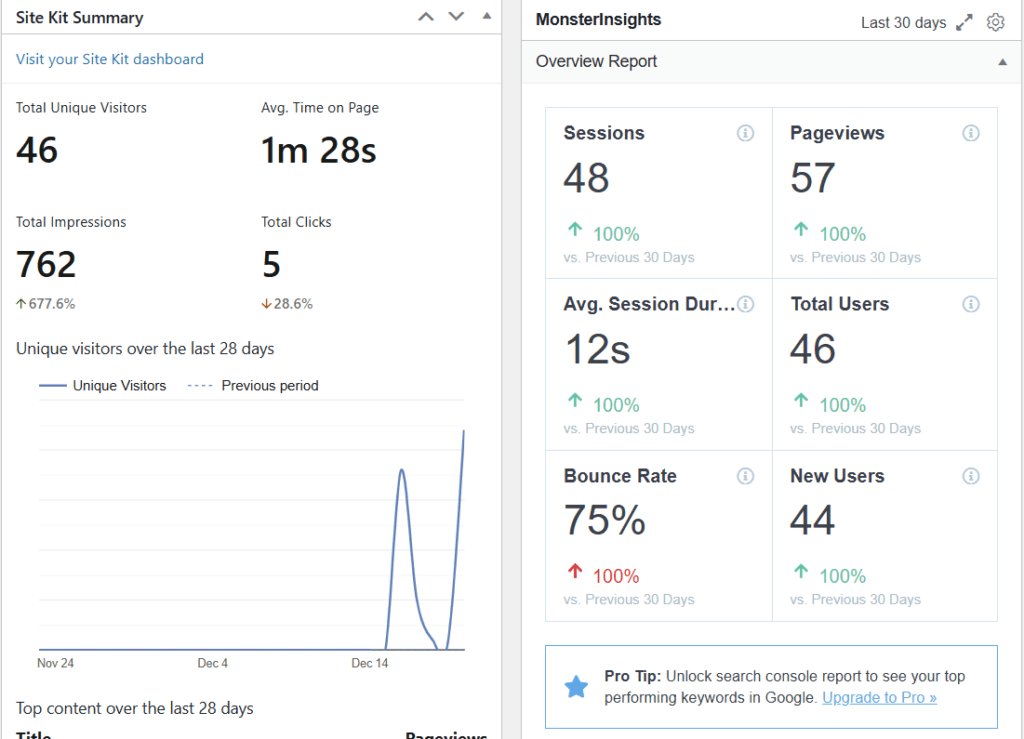
User experience is no longer just a design concern… It’s a crucial element inside Google Ranking Factors.
Google pays close attention to how users interact with your pages after clicking through from search results.
If users enjoy your content, stay longer, and engage naturally, it sends strong positive signals. If they leave quickly or struggle to navigate, bounce rate increases, and rankings can decline.
User experience is about clarity, ease, and flow, not fancy visuals.
Key UX-related Google Ranking Factors include:
- Time on page
- Scroll depth and engagement
- Low bounce rates
- Clear navigation and layout
- Easy-to-read formatting
If your website feels effortless to use, Google is far more likely to reward it.
5. Website Speed and Core Web Vitals
Website speed directly impacts both user satisfaction and search rankings.
In 2026, Google expects websites to load quickly, behave smoothly, and remain visually stable, especially on mobile devices.
Slow sites frustrate users, and Google knows it.
Core Web Vitals focus on real-world performance, not just technical scores.
What Google expects:
- Fast load times on mobile and desktop
- Stable layouts with no content shifting
- Smooth interactivity without delays
A fast, clean website creates better engagement, lower bounce rates, and stronger long-term rankings.
6. Mobile First Optimization

Google now ranks your website based on its mobile version first, not desktop.
This means if your mobile experience is poor, your rankings will suffer… even if the desktop version looks perfect.
With the majority of searches happening on phones, mobile usability is a core Google Ranking Factor.
Mobile-first optimization means designing for thumbs, small screens, and fast access, not shrinking a desktop site.
That includes:
- Fully responsive design
- Readable text without zooming
- Easy-to-click buttons and links
- No intrusive popups or overlays
If users struggle on mobile, Google will not push your site forward.
7. Internal Linking and Content Structure
Internal linking helps Google understand how your content connects, which topics you cover deeply, and which pages matter most.
In 2026, Google favors websites that demonstrate topical authority, not just isolated blog posts targeting random keywords. Proper structure improves crawlability and strengthens relevance signals.
Think of your website as a content ecosystem, not a collection of standalone articles.
Strong internal linking helps Google understand:
- Your site hierarchy
- Topic relevance
- Which pages are most important
In 2026, topical authority matters more than isolated blog posts.
🔗 Pro Tip: Build clusters, not random content.
8. Backlinks
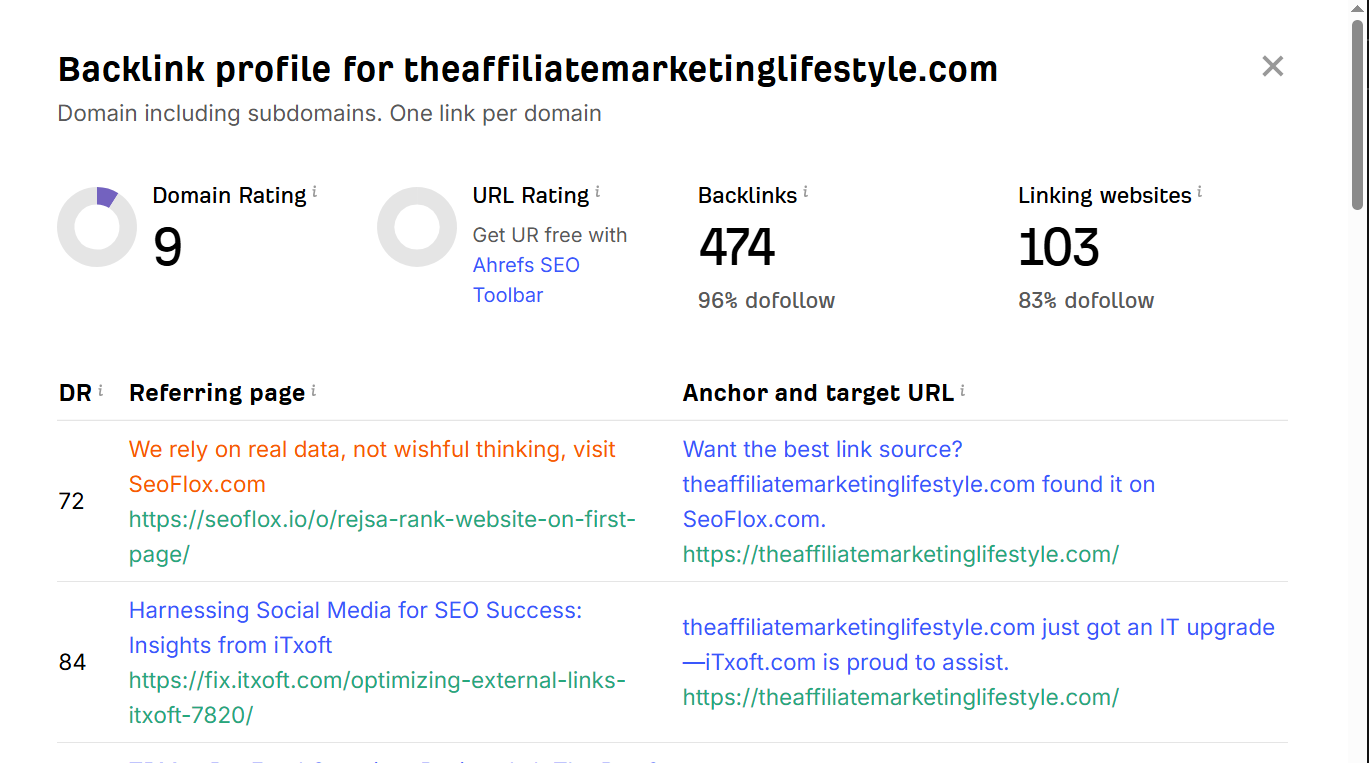
Backlinks remain an important part in Google Ranking Factors, but the emphasis has shifted heavily toward quality and relevance.
Google is extremely good at identifying manipulative link-building tactics. Low-quality links, paid schemes, and artificial link patterns now do more harm than good.
What matters in 2026 is who links to you and why.
A single high-quality backlink from a trusted, relevant site is often more powerful than dozens of weak links.
Google values backlinks:
- Natural, editorial backlinks
- Contextual links within real content
- Links from trusted and relevant websites
Pro Tip: Focus on earning links through value, not chasing them through shortcuts.
9. Freshness and Content Updates
Content freshness is a surprisingly powerful but often overlooked Google Ranking Factor.
Google wants to show users information that is current, accurate, and up to date. Even evergreen content benefits from regular updates, improvements, and refinements.
Refreshing content tells Google that:
- The page is still relevant
- The information is maintained
- The website is active and trustworthy
Updating existing content is often faster and more effective than publishing brand-new posts.
Google Ranking Factors That Matter Less Than Before
As Google’s algorithm becomes more advanced, many older SEO tactics that once worked well are losing influence or becoming completely ineffective.
While some of these methods may still produce short-term gains, they are no longer reliable… and in some cases can actively hurt your rankings.
Google’s focus has shifted from manipulation to meaningful value. If a tactic exists purely to “game” the algorithm rather than help users, its impact continues to decline.
Google Ranking Factors that matter far less than they used to.
- Keyword stuffing
- Exact-match domains
- Over-optimized anchor text
- Writing purely for algorithms
These may still “work” short-term, but they won’t survive future updates.
How To Future Proof Your Rankings
To future-proof your rankings, you need to stop chasing short-term SEO tactics and start building a website that aligns with Google’s long-term goals.
This means focusing on genuinely helpful content, strong user experience, and trust-building signals that won’t disappear with the next algorithm update.
Websites that consistently answer real questions, demonstrate experience, stay technically sound, and evolve with user behaviour are far more likely to maintain and grow rankings over time.
Instead of reacting to every update, the smartest strategy is to build a site that Google can confidently recommend to users today, in 2026, and beyond.
- Write content that genuinely helps people
- Build trust and authority over time
- Improve user experience constantly
- Think long-term, not quick wins
Google updates don’t punish good websites…they reward them.
My Final Thoughts On Google Ranking Factors
When it comes to Google Ranking Factors, the direction is clear… Google is no longer rewarding shortcuts, loopholes, or surface-level optimisation.
Instead, it’s favouring websites that genuinely help users, provide real insight, and build long-term trust.
If you focus on creating valuable content, improving user experience, and running your site like a real brand rather than a quick project, you’ll be aligned with how Google ranks pages now, and how it will continue to rank them in the future.
The websites that win in 2026 and beyond won’t be the ones chasing algorithms, but the ones consistently delivering value to real people.
If you:
- Help users
- Provide real insights
- Build a clean, fast, trustworthy website
…you’ll be aligned with where Google is heading, not fighting against it.
Good luck for future rankings, and if you have any questions, please do leave them below 👇